

Here’s news worth smiling about: most gum disease can be treated — and early gum disease fully reversed — without surgery. Nearly half of American adults have some form of gum disease, from mild gingivitis to more advanced periodontitis, and many assume treating it means going under the knife. It usually doesn’t. At Full Smile Periodontics in Amarillo, Dr. Plata and our team resolve most gum disease with comfortable, non-surgical treatments: deep cleaning below the gumline, precision laser therapy, and targeted antibiotics — no scalpels required.
Below, we’ll cover how gum disease works, the non-surgical treatments we offer, what your appointment looks like, and — honestly — when surgery becomes the better answer. Ready to take the first step? Schedule an appointment and we’ll build your plan together.
What Is Gum Disease?
Gum disease is what happens when plaque bacteria infect the tissue and supporting structures around your teeth. It progresses through two main stages — and the difference between them is the difference between reversible and manageable:
- Gingivitis (early stage): swollen, red, tender gums that bleed when you brush or floss. At this stage, the damage is limited to the gum tissue itself — and it’s completely reversible with treatment.
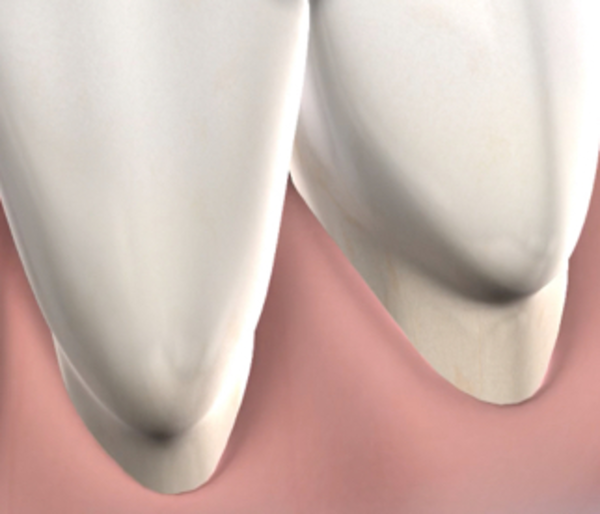
- Periodontitis (advanced stage): untreated gingivitis spreads below the gumline, where bacteria destroy the connective tissue and bone that anchor your teeth. Gums pull away, pockets deepen, and over time teeth loosen and can be lost.
The single most important fact about gum disease: gingivitis can be reversed, periodontitis can only be managed. Timing is everything.
Signs You May Have Gum Disease
Gum disease is often painless until it’s advanced — which is why these early signals matter:
- Gums that bleed when brushing or flossing
- Red, swollen, or tender gums
- Persistent bad breath or a bad taste that won’t go away
- Gums pulling away from teeth (teeth looking “longer”)
- New sensitivity, loose teeth, or changes in how your bite fits
Two or more of these? Don’t wait for pain. Contact our Amarillo office — early evaluation is the difference between reversing gum disease and managing it for life.
Non-Surgical Gum Disease Treatment Options at Full Smile Periodontics
Patients prefer non-surgical treatment for good reason: it’s highly effective, less invasive, and recovery is fast. Backed by years of experience and advanced technology, we offer three non-surgical approaches at our Amarillo office — often in combination:
Scaling & Root Planing (Deep Cleaning)
The gold-standard first treatment for gum disease. Under local anesthesia for your comfort, we remove plaque, tartar, and bacteria from below the gumline (scaling), then smooth the root surfaces (planing) so your gums can reattach snugly to your teeth. Most patients are surprised how comfortable it is — and how much better their gums feel within weeks. Learn more about scaling and root planing.
Laser Gum Therapy
Our laser periodontics technology targets infected tissue with remarkable precision — sterilizing bacteria and removing diseased tissue while leaving healthy gum completely alone. Less bleeding, less discomfort, faster healing. For deeper pockets, advanced laser protocols like LANAP treat periodontitis around natural teeth, and LAPIP treats infection around dental implants — both minimally invasive alternatives to traditional gum surgery.
Antibiotic Therapy
Sometimes bacteria hide where instruments and lasers can’t easily reach. Targeted antibiotics — oral medication or topical gels placed directly into gum pockets — work alongside scaling or laser treatment to finish the job. Antibiotics support the deep cleaning; they don’t replace it.
Dr. Plata and the Full Smile Periodontics team will evaluate your gums, explain every option, and recommend the combination that restores your gum health with the least invasive path possible.
What to Expect at Your Appointment
Your first visit starts with a thorough periodontal exam: we measure the pockets around each tooth, review X-rays, and map exactly where — and how far — gum disease has progressed. Then we walk you through what we found and what we recommend, in plain language, before anything is scheduled. Treatment itself is typically completed in one or two comfortable visits depending on how many areas need care. Here’s more about your first visit — and if your general dentist sent you to us, welcome: we work hand-in-hand with referring doctors across the Amarillo area.
The Benefits of Treating Gum Disease Without Surgery
- Healthier gums, healthier mouth. Eliminating the infection improves your entire oral environment.
- Keep your natural teeth. Untreated gum disease is a leading cause of adult tooth loss — treatment now preserves the teeth you have, before dental implants ever need to enter the conversation.
- Comfort restored. Tender, inflamed, bleeding gums calm down — eating, brushing, and smiling stop being something you think about.
- Confidence back. When your smile looks and feels healthy, you show it off.
- Whole-body benefits. Gum disease is linked to elevated risks for heart disease, diabetes complications, and other systemic conditions — treating your gums is genuinely an investment in your overall health.
- Faster, easier recovery. Non-surgical treatment means minimal downtime — most patients return to normal routines the same day.
When Is Surgery Necessary Instead?
Honesty matters here: non-surgical treatment resolves most cases, but not every case. When pockets are very deep, bone loss is significant, or gums have receded severely, periodontal surgery becomes the more effective path — and pretending otherwise would cost you teeth. Depending on your needs, that might include gum grafting to restore receded tissue or bone grafting to rebuild lost support. The good news: as a periodontal specialty practice, every level of care lives under one roof — see our full range of procedures. If your case needs more than non-surgical care, you’ll hear it from us straight, along with exactly why and what it involves.
Keeping Your Gums Healthy After Treatment
Treatment knocks the infection down; maintenance keeps it down. After non-surgical therapy, most patients move to periodontal maintenance visits every 3–4 months — more frequent than standard cleanings, because treated gums need closer monitoring to catch any recurrence early. At home: brush twice daily along the gumline, floss daily, and if you smoke, know that quitting is the single biggest thing you can do for your gum health.
Frequently Asked Questions About Non-Surgical Gum Disease Treatment
Is non-surgical gum treatment painful?
No — treatments are performed with local anesthesia, so you’re comfortable throughout. Afterward, expect some tenderness for a day or two, significantly less than surgical options produce. Most patients manage it with over-the-counter pain relievers, if anything.
Can gum disease be reversed without surgery?
Gingivitis — early gum disease — can be completely reversed with non-surgical treatment and good home care. Advanced periodontitis can’t be reversed, but it can be effectively managed to stop progression and protect your remaining bone and teeth. The earlier you treat, the better the outcome.
How do I know if I have gum disease?
Watch for bleeding when you brush or floss, red or swollen gums, persistent bad breath, receding gums, and new tooth sensitivity or looseness. Because gum disease is often painless until advanced, a periodontal exam is the only way to know for sure — pocket measurements tell the whole story.
How long does scaling and root planing take?
It depends on how many areas need treatment. Mild cases may be completed in a single visit; more extensive cases are usually divided into two visits, treating one side of the mouth at a time so you’re never numb everywhere at once. Each visit typically runs one to two hours.
Is laser gum treatment better than traditional deep cleaning?
They’re partners more than competitors. Scaling and root planing removes the buildup; laser therapy adds precision bacterial elimination with less bleeding and faster healing, and advanced protocols like LANAP can treat deeper disease without a scalpel. Dr. Plata will recommend the combination that fits your specific case.
Will my insurance cover non-surgical gum disease treatment?
Most dental insurance plans cover non-surgical periodontal treatment, though specifics depend on your plan. During your consultation, our team explains your benefits and reviews payment options, so you know your costs before treatment begins.
What happens if I put off treating my gum disease?
It progresses — quietly. Gingivitis advances to periodontitis, pockets deepen, bone recedes, and teeth eventually loosen and are lost. Every stage of delay makes treatment more involved and more expensive. Gum disease never resolves on its own, but caught early, it’s one of the most treatable conditions in dentistry.
Take Control of Your Gum Health with Full Smile Periodontics in Amarillo, TX
There’s no reason to let gum disease take a toll on your smile — and no reason to assume treating it means surgery. Dr. Plata and the Full Smile Periodontics team are ready to restore your gums with the most comfortable, conservative care that works. Schedule your consultation today or contact our Amarillo office at (806) 699-6111 — your healthiest smile starts with healthy gums.