

Featured Periodontal Services
Dr. Plata offers many services to manage a variety of conditions related to dental implant placement and gum disease.

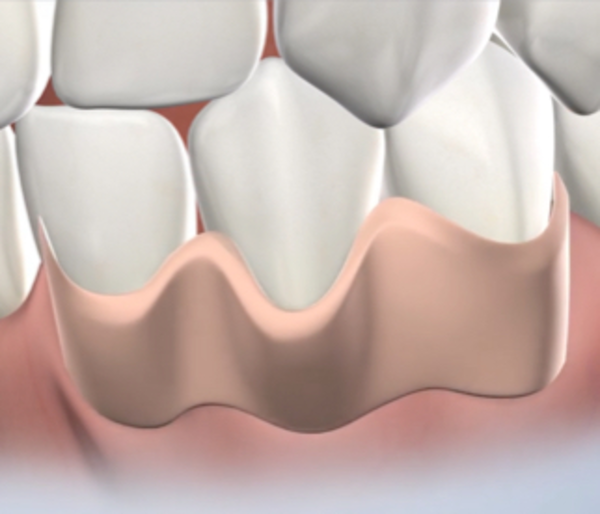
Periodontal Procedures in Amarillo, TX
From non-surgical gum disease treatment to dental implants and advanced laser therapy, Full Smile Periodontics provides the full spectrum of periodontal care — with the specialized expertise your gum health deserves.
Schedule a Consultation (806) 699-6111
Periodontics is the dental specialty dedicated to the health of the structures that support your teeth — the gum tissue, the ligament connecting tooth to bone, and the alveolar bone itself. When these structures are compromised by disease, injury, or developmental factors, the consequences extend well beyond the mouth. Gum disease is a chronic bacterial infection with documented connections to cardiovascular disease, diabetes, and other systemic conditions. Tooth loss — the end result of untreated periodontal disease — has profound functional, aesthetic, and quality-of-life consequences that ripple through every aspect of a patient’s daily life.
A periodontist is a specialist who has completed two to three additional years of training beyond dental school focused entirely on the diagnosis, treatment, and long-term management of periodontal conditions and the placement of dental implants. That specialized training matters — not just for complex cases, but for every patient whose gum health deserves the attention of someone whose entire professional focus is the periodontium.
At Full Smile Periodontics, Dr. Plata offers a comprehensive range of periodontal and implant services for patients throughout Amarillo and the Texas Panhandle — from the earliest stage of non-surgical gum disease treatment through the most advanced surgical and implant procedures. Learn more about Dr. Plata and our practice.
Whether you are a patient seeking care directly or a dental provider looking to refer, this page provides a clear overview of every service we offer and what each one accomplishes for our patients.
Not Sure Which Treatment Is Right for Your Situation?
A consultation with Dr. Plata is the first step. We evaluate your periodontal health thoroughly, explain your options clearly, and develop a treatment plan tailored to your specific needs.
Schedule Your Consultation Call Us: (806) 699-6111
Our Periodontal and Implant Services
Non-Surgical Gum Care
For patients in the early to moderate stages of periodontal disease, non-surgical treatment is the appropriate and most conservative first approach — and for many patients, it is all that is needed to achieve stable, healthy gum tissue.
Non-surgical periodontal care at Full Smile Periodontics includes comprehensive evaluation, scaling and root planing, and ongoing periodontal maintenance — the full range of conservative interventions that address the bacterial infection driving gum disease before it advances to a stage requiring surgical treatment.
The foundation of non-surgical care is patient education and the establishment of an effective home care routine alongside professional treatment. Patients who understand their condition and its contributing factors — and who engage actively in the management of their gum health between professional visits — consistently achieve better outcomes than those who rely on treatment alone.
Non-surgical care is always the starting point when active periodontal disease is present. Surgical options are considered only when non-surgical treatment has been completed and the response has been evaluated — ensuring that surgery is recommended only when it is genuinely needed and that the tissue environment is stable enough to support a surgical outcome.
Learn more about non-surgical gum care at Full Smile Periodontics.
Scaling and Root Planing
Scaling and root planing is the primary non-surgical treatment for periodontal disease — the therapeutic deep cleaning procedure that removes the bacterial deposits driving infection from below the gum line and creates the conditions for gum tissue healing and reattachment.
A standard dental cleaning removes plaque and tartar from the surfaces of the teeth above and at the gum line. Scaling and root planing goes further — removing hardened bacterial deposits from within the periodontal pockets that form around teeth affected by gum disease, and planing the root surfaces smooth to eliminate the contaminated layer of cementum and create a clean surface that discourages bacterial recolonization.
The procedure is performed under local anesthesia, one area of the mouth at a time, and is followed by a re-evaluation appointment four to eight weeks later at which pocket depths are remeasured and the tissue response is assessed. For many patients, scaling and root planing produces significant improvement in pocket depth, gum tissue health, and bleeding — reducing or eliminating the need for surgical intervention. For patients with more advanced disease, it establishes the stable baseline from which surgical treatment can proceed most effectively.
Learn more about scaling and root planing at Full Smile Periodontics.
Periodontal Surgery
When non-surgical treatment does not achieve adequate pocket reduction and tissue stabilization — or when the anatomy of the disease is such that non-surgical approaches cannot adequately access and treat the affected areas — periodontal surgery provides the direct access needed for definitive treatment.
Periodontal surgery encompasses a range of surgical approaches to treating advanced gum disease — from osseous surgery that reshapes the bone to eliminate the irregular topography that harbors bacteria and makes thorough cleaning impossible, to regenerative procedures that use bone graft materials and biologic agents to rebuild the bone and tissue destroyed by periodontal disease.
Surgical periodontal treatment is not simply more aggressive treatment for the same goal as non-surgical care. It addresses aspects of the disease — deep pockets with complex architecture, intrabony defects, furcation involvement — that cannot be effectively managed without surgical access. When surgery is indicated, it is because the clinical situation genuinely requires it — and performing it provides patients with the best achievable long-term outcome for the affected teeth.
Every periodontal surgery patient at Full Smile Periodontics is thoroughly evaluated and informed before any procedure is planned. Surgery is recommended when the evidence supports it — not as a default.
Learn more about periodontal surgery at Full Smile Periodontics.
LANAP — Laser-Assisted New Attachment Procedure
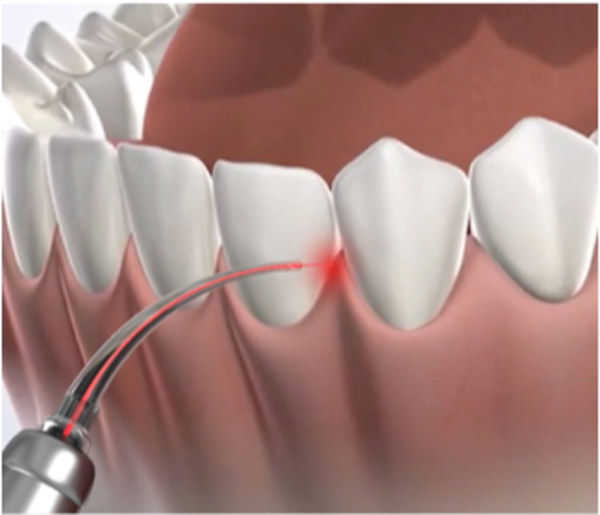
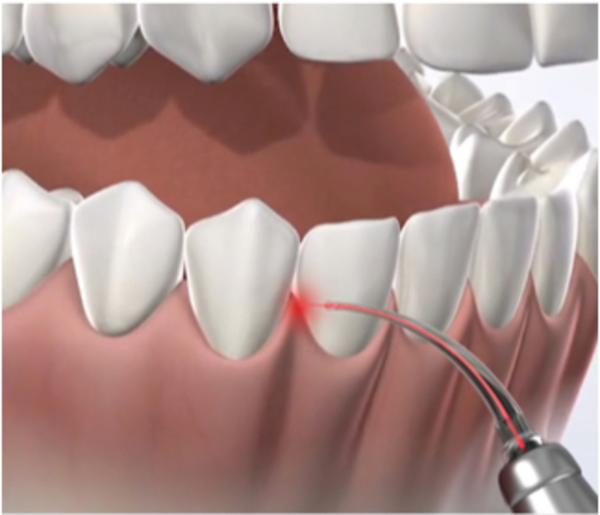
LANAP is an FDA-cleared laser protocol for the treatment of periodontitis that offers an alternative to traditional osseous surgery for appropriate patients — using a specific laser wavelength to selectively remove diseased tissue and harmful bacteria from periodontal pockets while preserving the healthy tissue that surrounds them.
The PerioLase MVP-7 laser used in the LANAP protocol emits a wavelength that is selectively absorbed by the pigmented bacteria and diseased tissue of the periodontal pocket while passing harmlessly through healthy gum tissue. This selectivity allows the diseased environment to be treated without the incisions, flap elevation, and suturing of traditional periodontal surgery — and without the removal of healthy tissue that accompanies conventional surgical approaches.
LANAP has demonstrated the ability to regenerate bone — a genuinely significant clinical finding, as traditional osseous surgery removes bone rather than regenerating it. The procedure also produces less post-operative discomfort, less recession, and a faster return to normal activity than conventional surgical approaches for the cases in which it is indicated.
LANAP is not appropriate for every patient or every case of periodontitis — patient selection and case appropriateness are critical. Dr. Plata evaluates every patient to determine whether LANAP is the right treatment for their specific disease presentation and anatomy.
Learn more about LANAP laser gum treatment at Full Smile Periodontics.
Laser Periodontics
Beyond the specific LANAP protocol, laser technology is integrated into multiple aspects of periodontal care at Full Smile Periodontics — reflecting the growing role of laser tools in periodontal surgery, non-surgical treatment, and implant maintenance.
Dental lasers offer meaningful advantages in periodontal applications — precision in tissue manipulation, reduced bleeding during and after procedures, reduced post-operative discomfort, and in some cases the ability to treat areas that are difficult to access with conventional instruments. Dr. Plata’s training and experience with laser periodontics allows these tools to be deployed appropriately across a range of clinical situations.
Patients who are interested in understanding how laser technology applies to their specific treatment needs are encouraged to ask about this during their consultation. The appropriate tool for any given procedure is always determined by what will produce the best clinical outcome for the patient.
Learn more about laser periodontics at Full Smile Periodontics.
Dental Implants
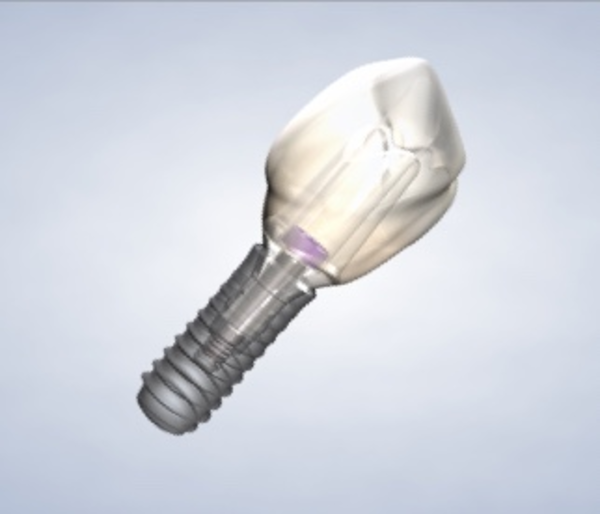
Dental implants are the standard of care for tooth replacement — providing a permanent, fixed solution for missing teeth that restores function, preserves bone, and produces results that look and feel indistinguishable from natural teeth.
A dental implant is a titanium post surgically placed into the jawbone where it integrates with the surrounding bone through osseointegration — the biological process by which bone tissue grows around and bonds to the implant surface, creating the stable, permanent foundation that allows the implant to function like a natural tooth root. Once osseointegration is complete, a crown is attached to the implant, completing the restoration.
Implants are the only tooth replacement option that preserves the jawbone at the site of the missing tooth. When a tooth is lost and not replaced with an implant, the bone at that site begins to resorb — a progressive loss of bone volume that affects the surrounding teeth, facial structure, and the viability of future implant placement if delayed too long.
Dr. Plata places dental implants for patients throughout Amarillo and the Texas Panhandle — from single-tooth replacements to multiple implants supporting fixed bridges and full-arch restorations. The implant placement phase is coordinated with the restorative dentist who will fabricate and place the final crown or prosthesis, ensuring seamless communication and a well-coordinated treatment outcome.
Learn more about dental implants at Full Smile Periodontics.
Bone Grafting
Dental implants require sufficient bone volume and density at the implant site to achieve reliable osseointegration. When bone has been lost — due to periodontal disease, tooth extraction without socket preservation, trauma, or the natural process of resorption following tooth loss — bone grafting rebuilds the deficient area and creates the foundation needed for successful implant placement.
Bone grafting at Full Smile Periodontics encompasses several specific procedures depending on the location and extent of bone deficiency.
Socket preservation — placement of bone graft material in the extraction socket at the time of tooth removal — maintains bone volume at the site and significantly reduces the resorption that would otherwise occur in the months following extraction. Patients who know they want an implant should discuss socket preservation with their provider at the time of extraction, not after resorption has already occurred.
Ridge augmentation rebuilds bone volume in areas where significant resorption has already taken place — restoring the width and height of the alveolar ridge to a level sufficient for implant placement.
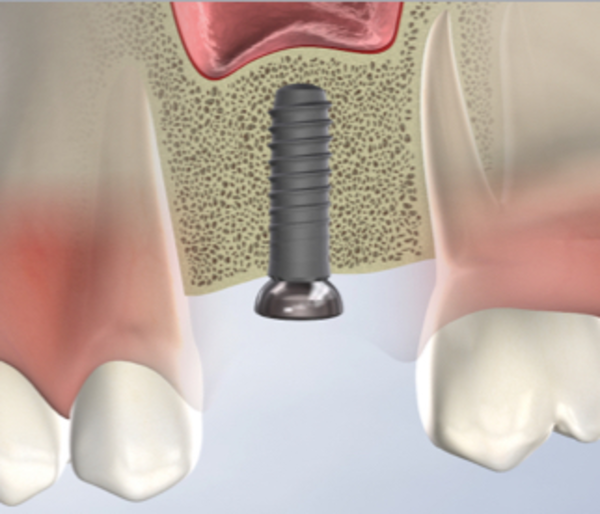
Sinus augmentation — sinus lift — adds bone to the floor of the maxillary sinus in the upper posterior jaw, where the sinus cavity can encroach on the space available for implant placement. The procedure elevates the sinus membrane and places graft material to create the vertical bone height needed for implants in this anatomically challenging region.
Periodontal bone regeneration uses graft materials and biologic agents to rebuild bone destroyed by periodontal disease — addressing existing defects alongside the surgical treatment of the disease that caused them.
Learn more about bone grafting at Full Smile Periodontics.
Gum Grafting
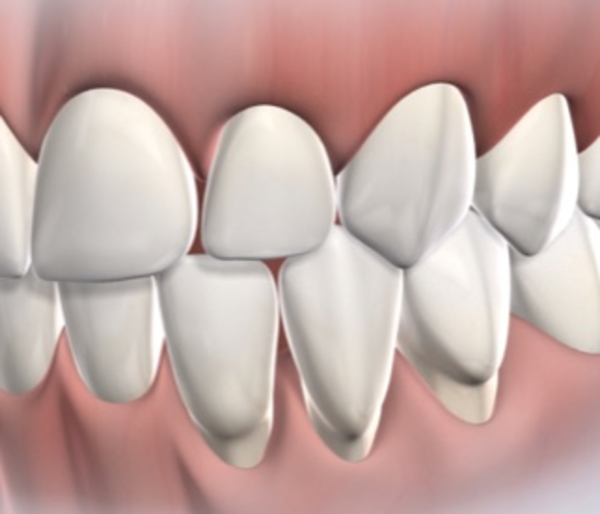
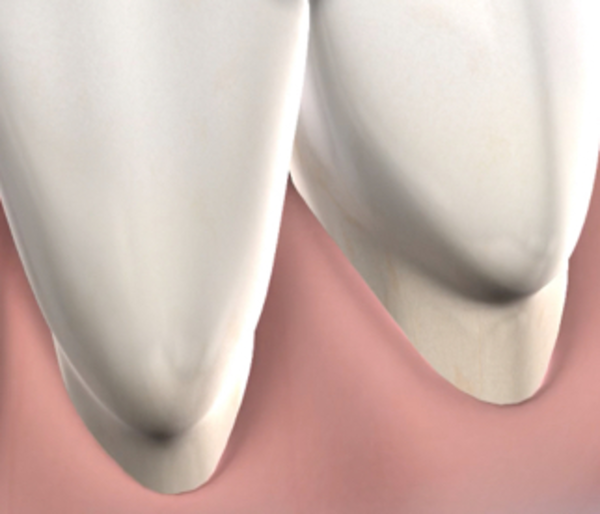
Gum grafting is the most effective treatment for gum recession — the progressive pulling back of gum tissue from its normal position around the tooth that exposes root surfaces, causes sensitivity, increases decay risk, and in many patients produces a visible aesthetic concern.
Gum recession does not improve on its own and typically progresses over time if the underlying cause is not addressed. Root surfaces exposed by recession are significantly more susceptible to decay than enamel-covered crown surfaces, lack the protective barrier of healthy gum tissue, and produce the sharp temperature sensitivity that many recession patients describe as one of their most disruptive daily symptoms.
Gum grafting restores the lost tissue by transplanting donor tissue — either from the patient’s own palate or from processed allograft material — to the recession site, where it integrates with the existing gum tissue and re-establishes a stable, protective margin. The procedure covers exposed root surfaces, eliminates or dramatically reduces sensitivity, creates tissue that is more resistant to future recession than what it replaces, and in most cases significantly improves the aesthetic appearance of the affected area.
Full Smile Periodontics offers the full range of gum grafting techniques — connective tissue grafts, free gingival grafts, pedicle grafts, and allograft-based procedures — selected based on the specific clinical characteristics of each patient’s recession pattern and goals.
Learn more about gum grafting at Full Smile Periodontics.
Crown Lengthening
Crown lengthening is a periodontal surgical procedure that exposes more of the tooth structure above the gum line — by surgically repositioning the gum tissue and underlying bone — for functional, restorative, or aesthetic purposes.
In restorative dentistry, crown lengthening is one of the most commonly needed pre-restorative procedures. When decay or a fracture extends below the gum line, when insufficient tooth structure remains above bone for a restoration to be reliably retained, or when placing a restoration at the intended margin would violate the biologic width — the physiologically required space between the bone and the restoration margin — crown lengthening creates the biological and structural environment that makes a sound, long-lasting restoration possible.
Crown lengthening is also the definitive treatment for altered passive eruption — a condition in which the gum tissue has not migrated to its correct position following tooth eruption, leaving excessive gum tissue covering the crown and producing the appearance of short teeth and a gummy smile. Correcting this condition with crown lengthening exposes the full clinical crown, eliminates the deeper-than-normal pocket that harbors bacteria, and creates a more hygienic, more maintainable tissue environment.
Dr. Plata coordinates crown lengthening with referring restorative dentists to ensure the surgical preparation meets the precise requirements of the planned restoration — including margin location, tooth structure exposure, and tissue level — for a seamless restorative outcome.
Learn more about crown lengthening at Full Smile Periodontics.
LAPIP — Laser-Assisted Peri-Implantitis Protocol
Peri-implantitis is a bacterial infection of the tissue and bone surrounding a dental implant — the implant equivalent of periodontitis around natural teeth. It causes progressive bone loss around the implant, implant instability, and if untreated, implant failure. Like periodontal disease in natural teeth, peri-implantitis is far easier to treat in its earlier stages than in its advanced form.
LAPIP — the Laser-Assisted Peri-Implantitis Protocol — is the laser-based treatment protocol for peri-implantitis that uses the same PerioLase MVP-7 laser as the LANAP protocol for natural teeth. The laser selectively targets the diseased tissue and bacteria around the implant while preserving the healthy tissue, decontaminates the implant surface, and creates the biological conditions for bone regeneration around the affected implant.
For patients with implants showing signs of peri-implantitis — bone loss visible on X-rays, bleeding or suppuration around the implant, pocket depth increases, or implant mobility — LAPIP provides an effective, minimally invasive treatment option that can in many cases save implants that would otherwise be lost.
Peri-implantitis prevention — through regular implant maintenance and excellent home care — is always preferable to treatment. But for patients whose implants are already affected, LAPIP provides the most advanced treatment approach available.
Learn more about LAPIP peri-implantitis treatment at Full Smile Periodontics.
Comprehensive Periodontal and Implant Care — All Under One Roof in Amarillo
From non-surgical gum disease management to full-arch implant reconstruction, Full Smile Periodontics provides the complete spectrum of periodontal specialty care for patients and referring providers throughout the Texas Panhandle.
Get Started Today Call Us: (806) 699-6111
How We Approach Care at Full Smile Periodontics
Every patient at Full Smile Periodontics begins with a thorough evaluation — not a cursory examination that confirms a pre-existing treatment plan, but a genuine clinical assessment that gathers the complete picture needed to understand your periodontal situation accurately and plan your care appropriately.
That evaluation includes clinical periodontal examination with full pocket depth charting, assessment of gum tissue health and recession, evaluation of bone levels on X-rays, review of implant status where applicable, and a complete medical and dental history review. The information gathered at this evaluation is what determines the treatment sequence — which conditions need to be addressed first, which procedures are indicated, and what realistic outcomes look like for your specific situation.
We explain our findings to every patient in plain language — what we found, why it matters, what we recommend, and what the alternatives are. Patients who understand their periodontal condition and the reasoning behind their treatment plan are better partners in their own care — and they consistently achieve better outcomes than patients who proceed with treatment they do not fully understand.
For patients referred by their dentist, we communicate promptly and thoroughly with the referring provider — sharing examination findings, treatment plans, and progress notes so that care is coordinated rather than fragmented. Referring providers can learn more about our referral process here.
Learn about what to expect at your first visit to Full Smile Periodontics.
Periodontal Maintenance — The Foundation of Long-Term Results
Every periodontal treatment — whether non-surgical or surgical, whether for gum disease or implant health — is only as durable as the maintenance program that follows it. Periodontal disease cannot be permanently cured. It can be effectively controlled — but control requires consistent, ongoing professional care at the intervals appropriate to each patient’s risk and history.
Patients who have been treated for periodontal disease require more frequent professional care than patients without a history of gum disease — typically every three to four months rather than the standard six-month recall interval. These periodontal maintenance visits are not simply cleanings. They include re-evaluation of pocket depths and tissue health, monitoring of any sites that required treatment, removal of new bacterial deposits before they can re-establish disease activity, and assessment of home care and risk factors.
The same principle applies to implant maintenance. Implants require regular professional monitoring — assessment of the tissue and bone around each implant, removal of biofilm from implant surfaces, and X-ray evaluation at appropriate intervals to detect early bone loss before it progresses to peri-implantitis.
Patients who attend their recommended maintenance intervals reliably protect the investment of their periodontal and implant treatment. Patients who extend or skip maintenance intervals allow bacterial recolonization and disease activity to begin again — often without symptoms, and often not detected until meaningful additional treatment is needed.
Referred by Your Dentist or Looking for a Periodontist in Amarillo?
Full Smile Periodontics welcomes new patients and referrals from dental providers throughout the Texas Panhandle. Scheduling is straightforward and our team is here to answer any questions.
Schedule a Consultation Contact Our Office Call Us: (806) 699-6111
Frequently Asked Questions About Our Periodontal Services
What is the difference between a periodontist and a general dentist?
A periodontist has completed dental school plus an additional two to three years of full-time, accredited specialty residency training in periodontology — the diagnosis, treatment, and prevention of periodontal disease and the placement of dental implants. General dentists provide a broad range of dental services. Periodontists focus exclusively on the health of the gum tissue, bone, and supporting structures around the teeth, and on implant placement and maintenance. For patients with significant gum disease, implant needs, or complex periodontal conditions, the specialized training of a periodontist produces meaningfully better outcomes.
Do I need a referral to see a periodontist?
No referral is required to schedule a consultation at Full Smile Periodontics. Many patients self-refer after noticing signs of gum disease or being concerned about their gum health. Others are referred by their general dentist for specific treatment. Both paths are welcome — what matters is that your periodontal health is evaluated and addressed. Schedule directly through our get started page or call our office.
How do I know if I need periodontal treatment?
The most reliable way to know is a professional periodontal evaluation — because gum disease frequently produces no significant pain or obvious symptoms in its early and moderate stages. Signs that suggest evaluation is warranted include bleeding when brushing or flossing, red or swollen gum tissue, persistent bad breath, visible recession, or sensitivity at the gum line. If it has been more than a year since your gums were formally evaluated with probing measurements, a periodontal evaluation is appropriate regardless of whether symptoms are present.
What is the difference between LANAP and traditional periodontal surgery?
Traditional periodontal surgery involves incisions to create gum tissue flaps that are reflected to access the underlying bone, which is then reshaped to eliminate pockets. It is effective and well-proven but involves sutures, some gum recession, and a recovery period. LANAP uses a specific laser wavelength to treat diseased tissue and bacteria inside the periodontal pocket without incisions or flap elevation, preserving healthy tissue and stimulating bone regeneration. LANAP typically involves less post-operative discomfort and faster recovery. The appropriate choice depends on the patient’s specific disease presentation and anatomy — Dr. Plata evaluates each case individually.
How long does it take to recover from periodontal surgery?
Recovery time varies depending on the specific procedure performed and the extent of the surgical work. For most periodontal surgical procedures, patients are comfortable returning to normal light activity within a few days. Strenuous activity, dietary restrictions on hard and crunchy foods, and modified oral hygiene around surgical sites are typically maintained for one to two weeks. More extensive procedures — full-arch osseous surgery, significant bone grafting — may involve longer recovery periods. We provide detailed, procedure-specific recovery instructions for every patient.
How long does dental implant placement take?
The implant placement procedure itself typically takes one to two hours depending on the number of implants being placed and any concurrent procedures such as bone grafting or socket preservation. The total timeline from placement to final restoration is longer — the osseointegration period during which the implant bonds with the surrounding bone takes several months before the restorative crown can be placed. The specific timeline varies by patient and is discussed in detail during the treatment planning consultation.
What is peri-implantitis and how is it treated?
Peri-implantitis is a bacterial infection of the tissue and bone surrounding a dental implant — producing progressive bone loss, tissue inflammation, and if untreated, implant failure. It is the implant equivalent of periodontal disease around natural teeth. Treatment depends on the severity of the condition and ranges from non-surgical decontamination and maintenance protocols for early cases to surgical intervention — including LAPIP laser treatment — for more advanced disease. Learn more about LAPIP peri-implantitis treatment.
Do I still need to see my regular dentist if I am a patient at Full Smile Periodontics?
Yes. Full Smile Periodontics provides specialist periodontal and implant care — not general dental care. Your general dentist continues to provide examinations, restorations, and the full range of general dental services. The two relationships are complementary — we communicate with your dentist throughout your periodontal treatment so that your care is coordinated. Regular visits to both providers are part of comprehensive, whole-mouth care.
Specialist Periodontal Care for Amarillo and the Texas Panhandle
The health of your gums and the bone supporting your teeth is not a secondary consideration in your overall dental health — it is the foundation on which everything else depends. Restorations, implants, orthodontic treatment, and cosmetic dental work all perform best when the periodontal foundation they rest on is healthy and stable. And the systemic connections between gum disease and conditions affecting the heart, metabolic function, and overall inflammation make periodontal health a whole-body concern that deserves the attention of a specialist.
Full Smile Periodontics provides the full spectrum of periodontal and implant care for patients throughout Amarillo and the Texas Panhandle — with the specialized expertise, the advanced technology, and the patient-centered approach that your gum health deserves. Whether you are a new patient taking the first step toward treatment, a patient referred by your dentist for a specific procedure, or a dental provider looking for a trusted specialist partner, we are here.
Learn about your first visit or schedule your consultation today. For referring providers, learn about our referral process — we look forward to working with you on behalf of your patients.
Ready to Get Started With Expert Periodontal Care in Amarillo?
Full Smile Periodontics provides specialized gum disease treatment, dental implants, and the full range of periodontal services for patients and referring providers throughout the Texas Panhandle.
Schedule Your Consultation Contact Our Office Call Us: (806) 699-6111